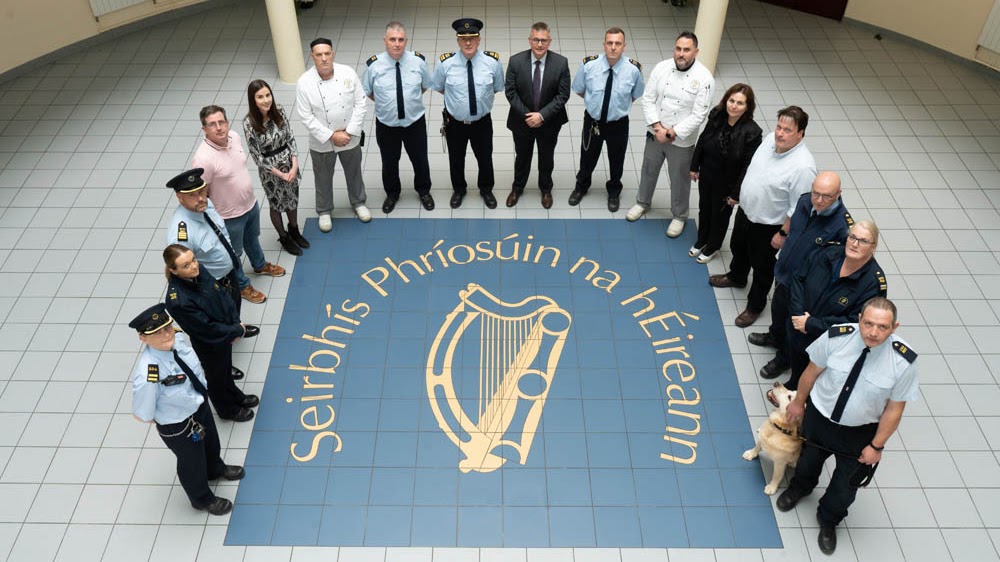
A brief overview of why this topic matters for staff wellbeing in prison services.
Working in a prison environment brings unique pressures and emotional demands. Staff regularly face challenging situations, high‑risk decisions, and conditions where stress, trauma, and uncertainty can build over time. In this context, being able to speak openly with someone who truly understands the realities of the job becomes essential. This is where peer support plays a crucial role.
Peer support refers to colleagues providing mutual, non‑hierarchical support in a safe and trusting environment. It draws on real lived experience, the day‑to‑day reality of the work, the pressure it creates, and the emotional impact it can have. Because of this, peer support occupies a unique place within any wellbeing offer: it is informal, accessible, and built on shared understanding.
For prison staff, this is especially powerful. Colleagues who have worked in the same environments, handled similar incidents, or felt the same emotional strain can offer empathy, validation, and practical strategies in ways that managers or clinicians may not be able to. Staff often feel more at ease speaking with a peer who “gets it”, without worrying about judgement, performance implications, or being misunderstood.
Peer support helps normalise conversations about mental health, work‑related stress, trauma, and personal difficulties. It also strengthens relationships, builds community, and celebrates shared successes in what can be a demanding and isolating workplace. In doing so, it supports a healthier, more resilient workforce and contributes to a compassionate organisational culture.
Peer Support Programmes build structure around this natural support, providing training, clarity of role, and clear pathways for early help. When implemented well, they offer staff timely, relatable, and psychologically safe support, benefiting both wellbeing and operational effectiveness.
Benefits of Peer Support Programmes
Enhanced Mental Health Support
Trained peer supporters can provide immediate, relatable support for colleagues experiencing stress, anxiety, trauma, or personal challenges, reducing stigma and encouraging help‑seeking.
Increased Employee Engagement
When staff feel heard, valued, and supported by colleagues, their engagement and job satisfaction improve.
Reduced Absenteeism and Presenteeism
Early, informal support can prevent issues from escalating, helping reduce sickness absence and the hidden costs of staff working while unwell.
Improved Organisational Culture
Peer support strengthens cultures of care and connection, promoting psychological safety and cohesion — especially important in high‑stress custodial environments.
Better Coping Skills
Staff learn practical coping techniques from peers who understand the work firsthand, helping them manage emotional demands more effectively.
Cost Savings
Improved mental health, reduced burnout, and lower stress‑related absence contribute to meaningful cost efficiencies across the organisation.
Optional ideas informed by the EuroPris Staff Wellbeing Expert Group to help you explore the topic further and adapt approaches to your own prison service.
Turning peer support from a concept into a reliable part of staff wellbeing requires clear structure, organisational commitment, and the right conditions for staff to carry out the role confidently and safely. Peer support works best when it feels natural, accessible, and rooted in everyday culture rather than treated as a separate initiative. For prison staff working in high‑pressure, emotionally demanding environments, a well‑designed peer support programme can provide connection, understanding, and early help that may be difficult to access elsewhere.
Creating such a programme means finding the right balance: keeping peer support informal and authentic, while ensuring that supporters are trained, supported, and protected. It also means recognising the emotional load carried by those who support others and providing the professional oversight, supervision, and development opportunities they need.
This section outlines practical steps organisations can take to make peer support work in real terms, from building a culture of mutual care, to training dedicated peer supporters, integrating professional expertise, and ensuring clear pathways for supervision and signposting. Together, these elements create a sustainable, credible, and safe peer support offer that strengthens resilience, improves team cohesion, and contributes to a healthier working environment across the prison system.
Foundational Elements
Professional Peer Support Team
Create a team of trained peer supporters who bring lived experience, credibility, and empathy. Their insight and practical understanding help colleagues feel less isolated and better understood.
Inclusive and Accessible Offer
Ensure the programme is open to all staff, not only those experiencing mental health difficulties. Peer support should cover a wide range of work‑related and personal challenges, from stress and trauma to life events and daily pressures.
Co‑production with Lived Experience
Design the programme in partnership with staff who have direct experience of workplace pressures or psychological challenges. Co‑production ensures authenticity, relevance, and trust in the support offer.
Fostering a Culture of Mutual Support
Promote a workplace culture where empathy, shared understanding, and informal support are normal and valued.
Encourage colleagues to look out for each other, especially during stressful or difficult periods.
Managers should reinforce these behaviours by modelling compassion and recognising informal support throughout a staff member’s career.
Professional Mental Health Support
Provide access to psychologists, chaplains, and other wellbeing specialists who offer emotional, spiritual, and psychological support in familiar and accessible settings.
Recognise the emotional impact on peer supporters and ensure they receive dedicated psychological support to reduce the risk of vicarious or secondary trauma.
Structured Peer Support Systems
Introduce mentoring programmes for one‑to‑one support during induction, adaptation, and periods of challenge.
Establish Peer Support Teams examples include Staff Support Officers, Mental Health First Aiders, Care Teams, or Trauma Risk Management (TRiM) practitioners to provide confidential listening, trauma‑informed guidance, and signposting to further help.
Ensure all peer support roles are backed by high‑quality training, protected time, and safeguarding measures to support both the peer supporter and the colleague seeking help.
Formal Supervision and Education
Invest in supervision pathways, including advanced or postgraduate options, so staff in supportive roles can reflect, manage pressures, and strengthen their practice.
Create formal roles, supported by accredited training or qualifications to ensure alignment with best practice, organisational policy, and legal requirements.
Screening, Support, and Signposting (The 3 S’s)
Screening
Identify staff who may need support through early conversations, observation, and regular wellbeing check‑ins.
Support
Offer empathetic conversations, coping strategies, and structured, light‑touch guidance similar to “supervision‑lite”.
Signposting
When appropriate, guide individuals towards professional mental health services, specialist trauma support, or occupational health interventions.
"Being able to speak openly with someone who truly understands the realities of the job becomes essential."
Short examples from the EuroPris Staff Wellbeing Expert Group members showing how wellbeing is being supported across European prisons.
A small selection of materials identified by Expert Group members to support reflection and learning. These are optional starting points rather than endorsements.
(2024). The Power of Peer Support Groups in Transforming Workplace Mental Health. [online] Available at:
https://changeishere.co/blog/2024/3/25/the-power-of-peer-support-groups-in-transforming-workplace-mental-health
Cicwellbeing.com. (2026). Peer Support Programme – CiC. [online] Available at:
https://www.cicwellbeing.com/services/psychological/peer-support-programme
Neil Greenberg (March on Stress) (2020). What is TRiM? [online] YouTube. Available at:
https://www.youtube.com/watch?v=SDYaFkrHZsM
Do you have a tool, example, or suggestion related to this topic?
We’re always looking for new ideas and real-world experiences to expand and improve this handbook.
Use the form to: