A brief overview of why this topic matters for staff wellbeing in prison services.
In the demanding environment of correctional services, purpose acts as a protective factor for resilience, retention and emotional stability. When staff understand how their work contributes to rehabilitation, justice and public safety, they are more motivated, centred and aligned with organisational values. Purpose-driven work reduces burnout, strengthens psychological safety and enhances staff retention and professional pride. It does not arise passively, it must be cultivated intentionally through strong institutional communication, visible recognition, development opportunities and rituals that honour service across the employee lifecycle. Meaningful work is essential to sustainable prison practice. A strong sense of purpose not only enhances staff wellbeing but reinforces the safety, legitimacy and effectiveness of the entire correctional system.
"A strong sense of purpose enhances not only the lives of staff, but the safety and legitimacy of the entire correctional system."
Optional ideas informed by the EuroPris Staff Wellbeing Expert Group to help you explore the topic further and adapt approaches to your own prison service.
Communicate the organisational mission clearly to align personal roles with institutional goals, including statements that reinforce how daily tasks connect to rehabilitation and public safety (e.g., a purpose‑driven introduction in onboarding and refresher training).
Embed purpose throughout the employee lifecycle to maintain meaning across career stages, including symbolic rituals from appointment to retirement (e.g., welcome messages from leadership and celebratory recognition at career closure).
Share staff testimonials to showcase meaningful work by highlighting personal stories that reinforce the social value of correctional roles (e.g., videos or written reflections describing impactful moments of service).
Integrate purpose‑focused questions into development conversations to support reflective practice (e.g., prompts such as “What makes your work matter?” or “How does your role support our mission?”).
Assess staff sense of purpose regularly to identify engagement risks and strengthen retention (e.g., purpose‑related questions within staff surveys).
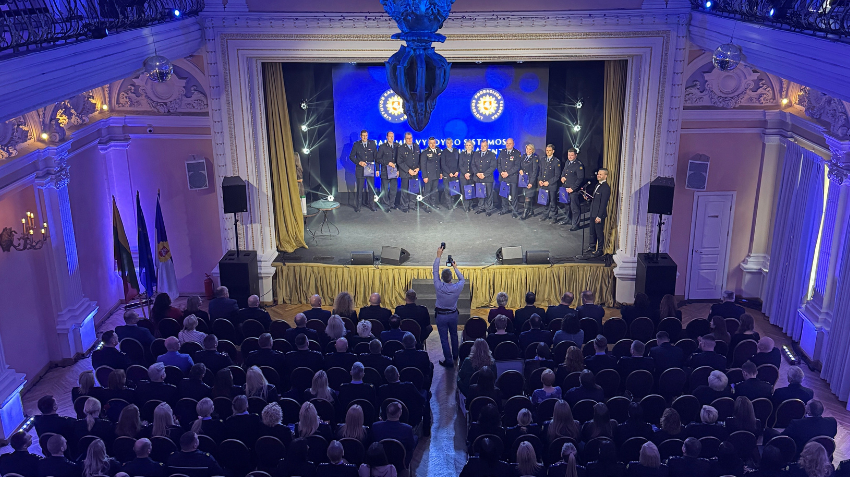
Celebrate shared identity through collective rituals that reinforce professional pride (e.g., annual service events, values‑based celebrations or team recognition ceremonies).
Tailor recognition and benefits to diverse staff groups to promote equity and motivation, including approaches that reflect varied personal and family contexts (e.g., family‑friendly incentives or symbolic rewards aligned with service values).
Link everyday decisions back to organisational purpose to strengthen understanding and alignment (e.g., supervisors framing operational updates in terms of rehabilitation, safety or justice).
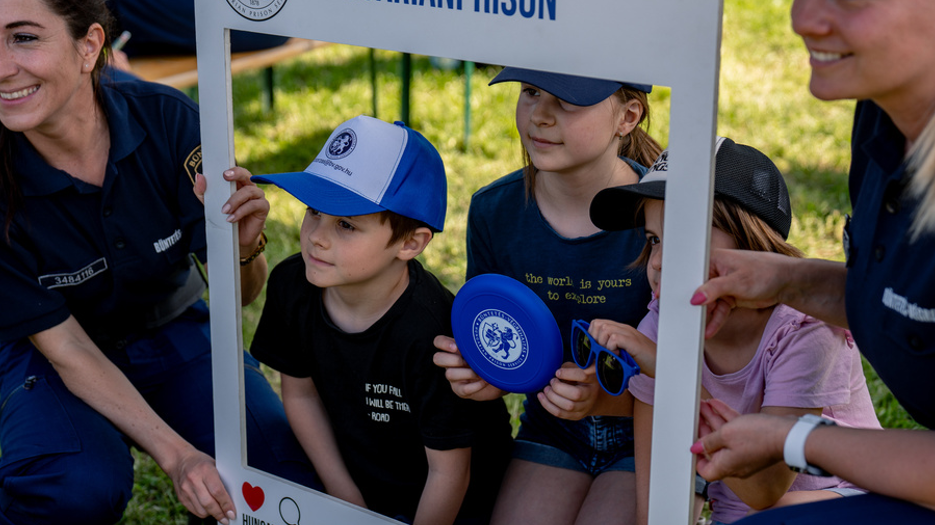
Encourage cross‑team appreciation of purpose to build unity (e.g., whole‑establishment events showcasing different functions and how they contribute to mission impact).
Highlight achievements connected to purpose to reinforce meaning (e.g., stories that demonstrate how staff action improved outcomes for individuals or communities).

"Purpose is not just a feel-good factor, it is a strategic tool for wellbeing and performance"
Short examples from the EuroPris Staff Wellbeing Expert Group members showing how wellbeing is being supported across European prisons.
A small selection of materials identified by Expert Group members to support reflection and learning. These are optional starting points rather than endorsements.
Urban Institute (2023). Prison Research Meets Practice: A Conversation on Correctional Staff Wellness. [online] YouTube. Available at:
https://www.youtube.com/watch?v=KVbmNQY9p3M
JCOIN-CTC (2024). Correctional Staff Health and Wellness. [online] YouTube. Available at:
https://www.youtube.com/watch?v=RUSo5VYT9nQ
Do you have a tool, example, or suggestion related to this topic?
We’re always looking for new ideas and real-world experiences to expand and improve this handbook.
Use the form to: