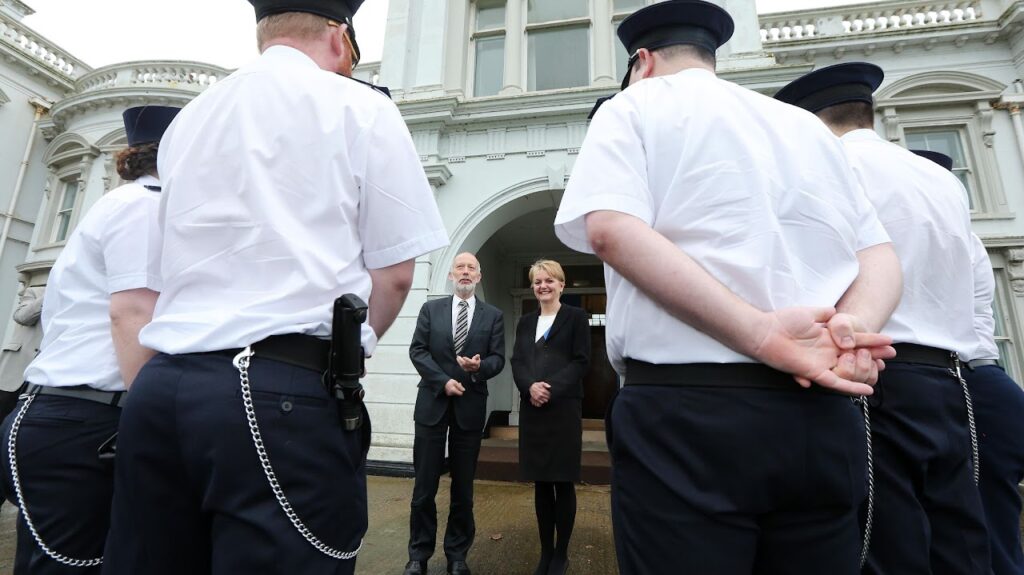
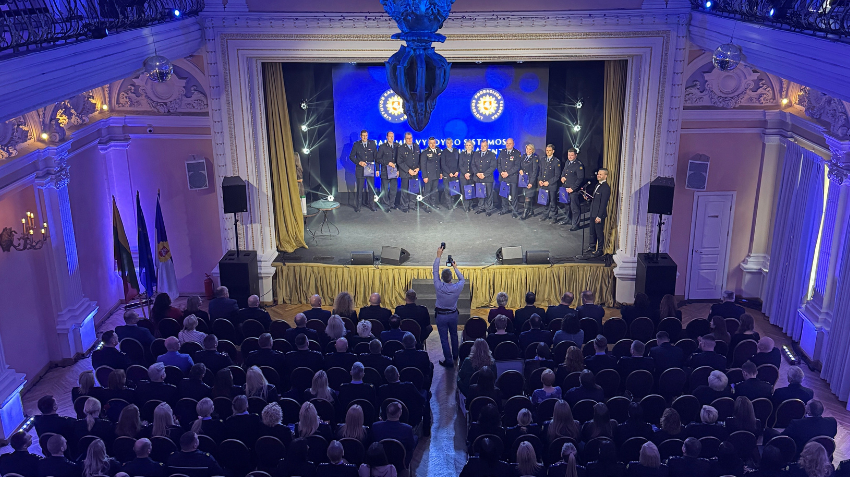
Implement formal recognition systems that honour meaningful contributions to reinforce shared values, including ceremonies, medals, service awards and commendations acknowledging exceptional contributions like leadership etc. (e.g., annual institutional awards aligned with organisational values as several services celebrate during national commemorations incl symbolic elements as religious services, official speeches or community gatherings).
Promote every day, peer‑to‑peer recognition to embed appreciation into daily practice, including simple tools for quick acknowledgements (e.g., shout‑out boards, digital badges or peer‑driven commendations).
Embed recognition into routine team practice to normalise appreciation, including ritualised moments in team meetings (e.g., weekly ‘appreciation rounds’ for team efforts and individual contributions led by managers).
Use communication channels to amplify achievements, including newsletters, intranet features, interviews or video stories (e.g., spotlighting teams involved in successful rehabilitative projects).
Ensure recognition is inclusive and equitable to avoid bias, including categories that celebrate all roles, not just senior positions (e.g., ‘Team of the Year’, ‘Unsung Hero’, ‘Lifetime Contribution’).
Acknowledge long‑term commitment and resilience to honour sustained service, including structured recognition for years of service and retirement milestones (e.g., 10/20/30/40 year markers).
Highlight exceptional bravery or innovation to reward dedication and creativity, including leadership‑endorsed awards for courageous or inventive actions (e.g., special commendations following critical incidents).
Celebrate professional identity through ceremonies and rituals to strengthen pride, including events that recognise public duty and team unity (e.g., oath/values ceremonies, institutional traditions).
Coach leaders to model everyday recognition to shift culture, including personal notes or visible acknowledgements (e.g., senior leader messages praising specific contributions).
Invite peers and families to recognition events to strengthen social support, including inclusive celebrations (e.g., family invitations for major awards).