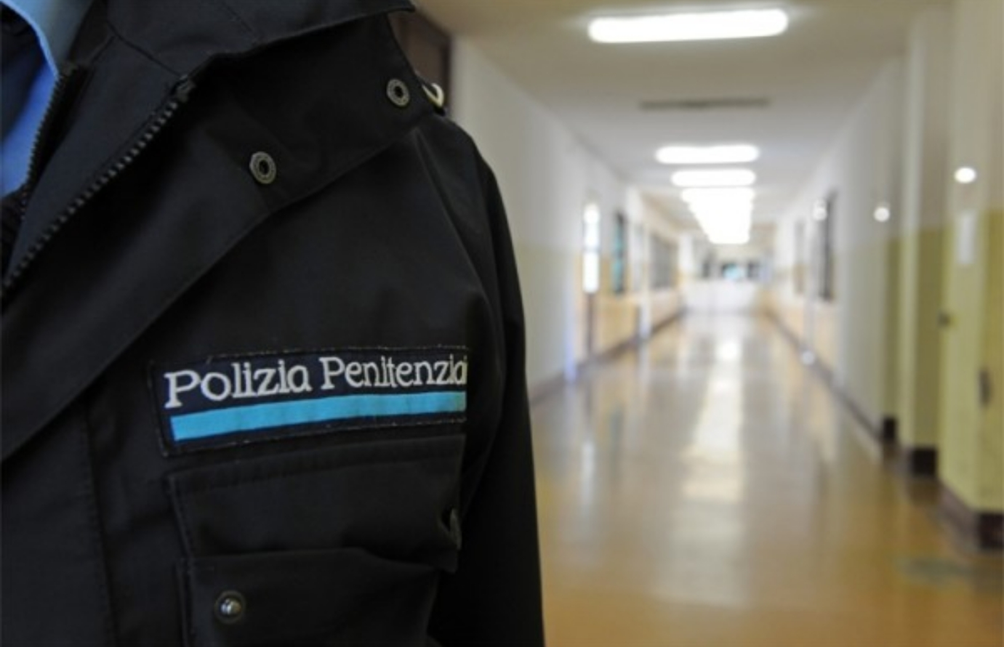
A brief overview of why this topic matters for staff wellbeing in prison services.
Effective occupational safety systems prevent physical and psychological harm by applying strong risk assessments, safe layouts, appropriate equipment, emergency planning and post‑incident support, helping reduce accidents, sickness and operational disruption. While leadership and policy shape safety culture, many risks are influenced by physical design itself — with layout, sightlines, tool placement, clutter management and environmental clarity playing a crucial role in preventing accidents, reducing exposure to harm and giving staff confidence when working in high‑risk environments.
Optional ideas informed by the EuroPris Staff Wellbeing Expert Group to help you explore the topic further and adapt approaches to your own prison service.
Improve sightline‑focused design to enhance visibility and natural supervision (e.g., reducing blind spots, using secure glazing and positioning work areas for clearer oversight).
Organise tools and equipment safely and close to point of use to reduce hazards and unnecessary movement through risky spaces (e.g., secure, uncluttered storage).
Keep pathways clear and enforce minimum‑clutter standards to reduce slips, trips and access blockages.
Re‑evaluate workspace layouts to support safer workflows (e.g., minimising risk‑prone movement, separating conflicting activities, improving flow).
Use secure, clean storage systems to prevent environmental hazards such as slips, trips, and manual handling strain.
Identify hazards proactively to prevent incidents (e.g., reviewing equipment, practices and premises conditions regularly).
Apply structured risk assessments to ensure control measures are understood (e.g., assigning owners, deadlines and verification checks).
Introduce practical risk‑control measures to minimise harm (e.g., safer equipment, job redesign, task‑specific PPE).
Document safety findings clearly to support accountability (e.g., recording hazards, mitigations and follow‑up actions).
Conduct regular emergency drills to strengthen preparedness (e.g., fire, medical response, evacuation simulations).
Deliver routine safety training to build competence and confidence (e.g., de‑escalation, first aid, manual handling).
Provide post‑incident wellbeing support to reduce psychological impact (e.g., confidential counselling, structured follow‑up).
Adopt occupational health and safety management principles to embed continuous improvement (e.g., aligning practices with ISO 45001).
Encourage preventive health measures through the environment (e.g., access to clean drinking water, vaccinations, routine checks).
Provide adequate rest spaces to reduce physical and cognitive fatigue (e.g., staff‑only quiet rooms or break areas).
Include designated areas that support stretching and exercise before or after shifts to improve musculoskeletal health.

"Safety is strengthened when robust systems are paired with smart design choices that improve visibility, reduce hazards, streamline workflows and support staff wellbeing."
Short examples from the EuroPris Staff Wellbeing Expert Group members showing how wellbeing is being supported across European prisons.
A small selection of materials identified by Expert Group members to support reflection and learning. These are optional starting points rather than endorsements.
International Organization for Standardization (2018). ISO 45001:2018. [online] ISO. Available at:
https://www.iso.org/standard/63787.html
Ehsinsight.com. (2024). Safety Innovations in High-Risk Industries. [online] Available at:
https://www.ehsinsight.com/blog/safety-innovations-in-high-risk-industries
Raab, D. (2021). New prison strategy to rehabilitate offenders and cut crime. [online] GOV.UK. Available at:
https://www.gov.uk/government/news/new-prison-strategy-to-rehabilitate-offenders-and-cut-crime
Synergosconsultancy.co.uk. (2025). UK Companies Revolutionising Workplace Safety Designs – Synergos Consultancy. [online] Available at:
https://synergosconsultancy.co.uk/uk-companies-revolutionising-workplace-safety-designs/
www.hse.gov.uk. (n.d.). Human factors/ergonomics – Design. [online] Available at:
https://www.hse.gov.uk/humanfactors/topics/design.htm
HSE (2024). Risk assessment – HSE. [online] www.hse.gov.uk. Available at:
https://www.hse.gov.uk/simple-health-safety/risk/
www.hse.gov.uk. (n.d.). Work-related violence – HSE. [online] Available at:
https://www.hse.gov.uk/violence/index.htm
Do you have a tool, example, or suggestion related to this topic?
We’re always looking for new ideas and real-world experiences to expand and improve this handbook.
Use the form to: