A brief overview of why this topic matters for staff wellbeing in prison services.
Public respect and social recognition influence staff identity, motivation and wellbeing, while a respectful workplace culture enhance loyalty. Prison work is often misunderstood by public, and undervaluation can erode morale. Strengthening the external image of correctional roles enhances internal professional pride, resilience and belonging. When staff feel respected by society, they carry greater confidence and purpose into their work, supported internally by dignity, respect and visible appreciation. Hence, their work becomes not only a job, but a form of service to society they can be proud of.
Optional ideas informed by the EuroPris Staff Wellbeing Expert Group to help you explore the topic further and adapt approaches to your own prison service.
Promote public awareness campaigns to highlight the social value of correctional work, including video series and articles (e.g., publication of features on rehabilitation outcomes and community safety).
Collaborate with media, schools and public institutions to educate about the role, including live demonstrations and outreach (e.g., school career days with canine/tactical units and public education events like in Slovakia, where prison officers maintain social media and contribute to national events).
Foster values‑based internal culture to strengthen staff cohesion, identity and respect, including team‑building workshops (e.g., sessions centred on service and integrity).
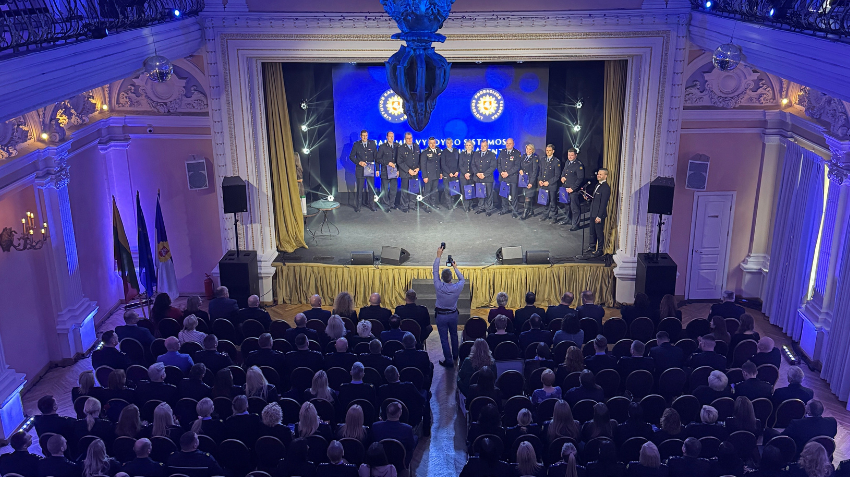
Celebrate achievements publicly at institutional or national level to increase visibility (e.g., justice ministry annual award ceremonies recognising publicly exceptional service like in Finland).
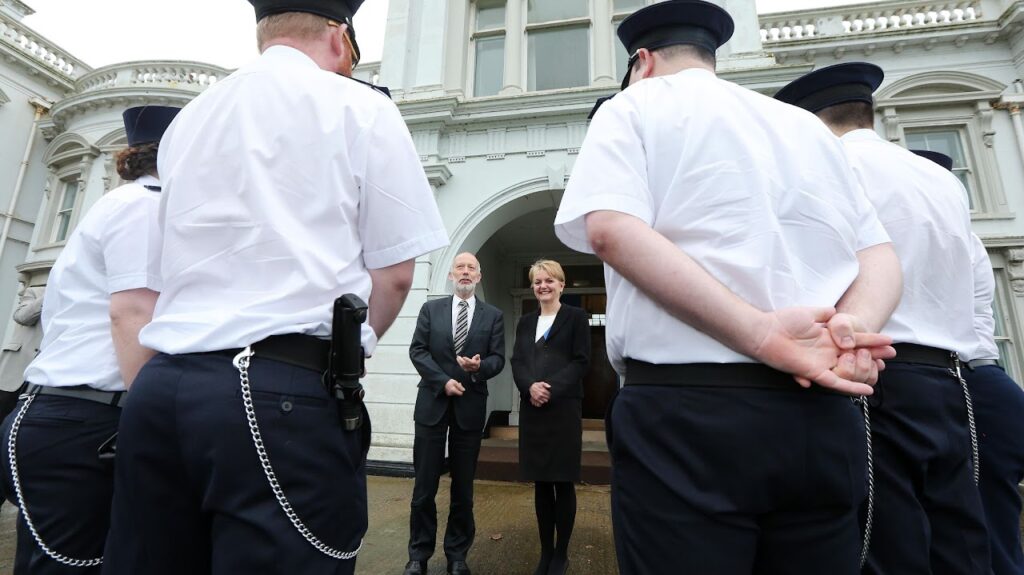
Share stories of resilience, service and integrity through internal and external channels to humanise the work (e.g., regular staff profiles on social media like in Ireland).
Support motivation through autonomy, feedback and connection to mission, including routine linking of staff’s tasks to wider institutional goals (e.g., supervisors reinforcing contribution to public safety).
Leverage strategic recruitment marketing to improve public image, including case‑study campaigns and targeted media of presenting the prison officer’s role (e.g., radio segments and community posters).
Participate in high‑visibility public events to build societal respect and professional recognition (e.g., National Services Day participation).

"Respect beyond the walls empowers strength within, when society values correctional work, staff find pride, purpose, and resilience."
Short examples from the EuroPris Staff Wellbeing Expert Group members showing how wellbeing is being supported across European prisons.
A small selection of materials identified by Expert Group members to support reflection and learning. These are optional starting points rather than endorsements.
IPS_Innovative Prison Systems (2023). PO21 Final Conference – The advisors view. [online] YouTube. Available at:
https://www.youtube.com/watch?v=0hTSjf5DLgQ
Do you have a tool, example, or suggestion related to this topic?
We’re always looking for new ideas and real-world experiences to expand and improve this handbook.
Use the form to: