A brief overview of why this topic matters for staff wellbeing in prison services.
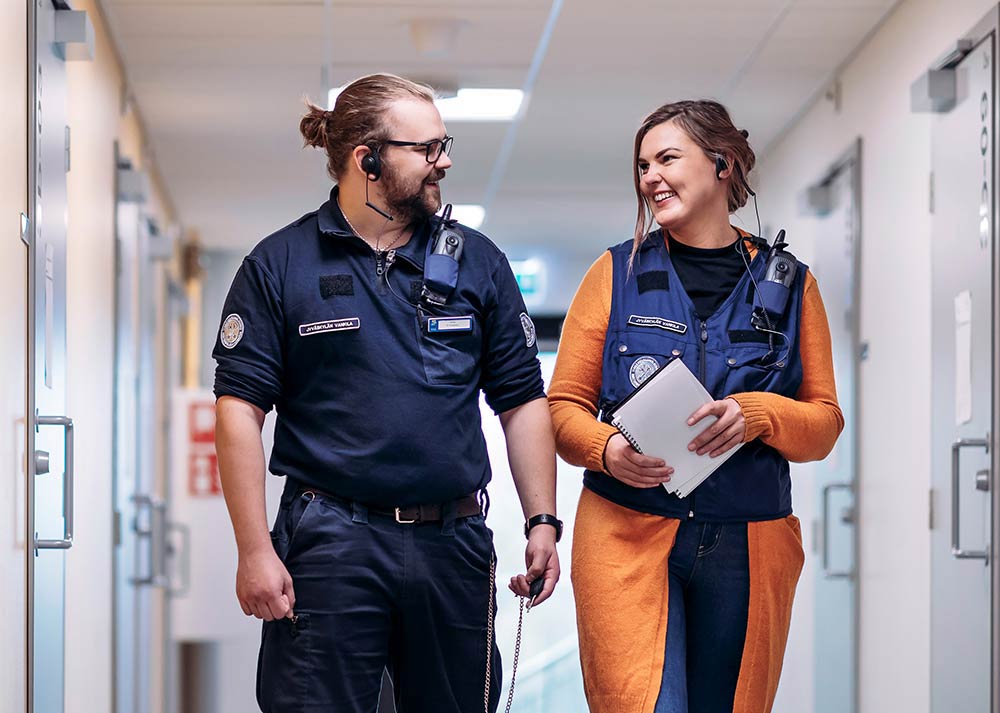
A positive workplace culture is essential for supporting wellbeing in the demanding and emotionally charged environments found across European prisons, where specialists, operational staff, and non‑operational teams all navigate high pressure, rapid decision‑making, and frequent exposure to challenging situations. Leadership plays a crucial role in shaping this culture through everyday behaviours, expectations, and communication, signalling whether people feel respected, included, and supported, or instead overlooked and overwhelmed. When leaders promote respect, transparency, teamwork, and healthy work–life boundaries, they reduce burnout and strengthen engagement for everyone working behind the walls. By valuing diversity, fostering psychological safety, and ensuring accessible mental‑health support, leaders help staff across all roles feel safe to speak openly, seek help when they need it, and contribute positively to the shared mission of running humane, secure, and rehabilitative prison services throughout Europe.
Optional ideas informed by the EuroPris Staff Wellbeing Expert Group to help you explore the topic further and adapt approaches to your own prison service.
Create open communication forums to build transparency and trust (e.g., monthly staff briefings with senior leaders and anonymous feedback channels to surface concerns safely).
Strengthen organisational messaging to clarify decisions (e.g., regular updates explaining operational changes and connecting staff roles to wider justice system priorities).
Recognise positive contributions to boost morale and motivation (e.g., shout‑outs in newsletters or informal celebration events).
Expand flexible working options to reduce stress and support retention (e.g., shift pattern adjustments, phased returns, or allowances for personal needs).
Invest in development and training to enhance job satisfaction (e.g., accredited programmes, shadowing, or coaching pathways for aspiring leaders).
Promote inclusion through policy and practice supporting a diverse workforce (e.g., inclusive recruitment and cultural‑awareness sessions in induction).
Provide accessible mental‑health resources to support emotional resilience (e.g., wellbeing drop‑ins, peer groups or confidential counselling).
Encourage cross‑departmental collaboration to strengthen teamwork (e.g., multi‑disciplinary reviews, shared projects or joint problem‑solving).
Enable safe expression of concerns to build psychological safety (e.g., quarterly pulse surveys, suggestion systems and regular wellbeing check‑ins).
Embed trauma‑informed practices to support staff wellbeing (e.g., training for all teams and clear post‑incident support pathways).

"A positive leadership culture and wellbeing environment thrives on open communication, psychological safety, inclusion, and supportive practices that help staff feel valued, heard, and equipped to succeed."
Short examples from the EuroPris Staff Wellbeing Expert Group members showing how wellbeing is being supported across European prisons.
A small selection of materials identified by Expert Group members to support reflection and learning. These are optional starting points rather than endorsements.
The King’s Fund (2020). The importance of psychological safety: Amy Edmondson – YouTube. [online] www.youtube.com. Available at:
https://www.youtube.com/watch?v=eP6guvRt0U0
Admin (2025). Building a Culture of Wellbeing and Performance | Edexec. [online] Edexec | Supporting business and financial excellence in schools and academies. Available at:
https://edexec.co.uk/building-a-culture-of-wellbeing-and-performance/
Editor3 (2025). The European Business Review. [online] The European Business Review. Available at:
https://www.europeanbusinessreview.com/putting-wellbeing-at-the-heart-of-leadership-expert-insights-for-world-mental-health-day/
Deloitte United Kingdom. (2023). Culture and leadership | Deloitte UK. [online] Available at:
https://www.deloitte.com/uk/en/services/consulting-risk/perspectives/culture-and-leadership.html
Bailey, S. and West, M. (2022). What Is Compassionate leadership? [online] The Kings Fund. Available at:
https://www.kingsfund.org.uk/insight-and-analysis/long-reads/what-is-compassionate-leadership
Do you have a tool, example, or suggestion related to this topic?
We’re always looking for new ideas and real-world experiences to expand and improve this handbook.
Use the form to: