A brief overview of why this topic matters for staff wellbeing in prison services.
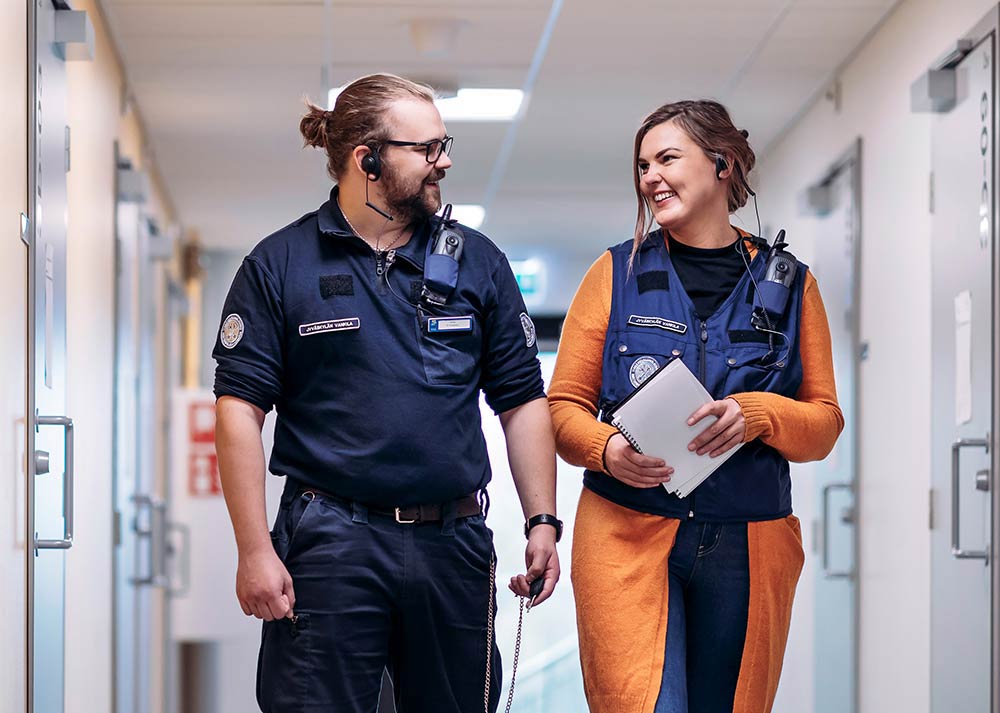
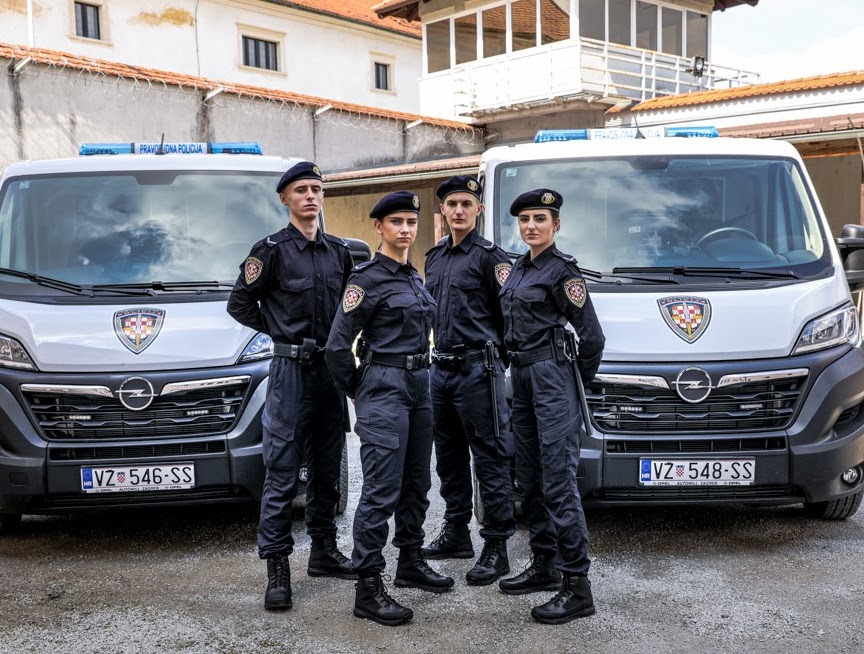
Positive leadership behaviours are vital in the high‑stress reality of European prisons, where specialists, operational staff, and non‑operational teams rely on leaders who show empathy, transparency, and resilience to stay grounded amid daily pressures. Leaders who communicate calmly, set healthy boundaries, and treat people with respect help teams manage emotional strain and uncertainty in environments where tensions can escalate quickly. By demonstrating genuine care, listening actively, and prioritising fairness in their decisions, leaders shape the culture more powerfully than any policy, reducing burnout and creating prison workplaces where all staff feel valued, supported, and able to do their jobs safely and confidently.
Optional ideas informed by the EuroPris Staff Wellbeing Expert Group to help you explore the topic further and adapt approaches to your own prison service.
Demonstrate compassionate listening to foster a caring and supportive environment for justice sector staff and include regular check-ins to understand staff concerns and offer tailored support (e.g. scheduled one-to-one conversations to discuss wellbeing and workplace challenges).
Encourage clear work-life boundaries to promote mental health and reduce burnout and include support for disconnecting after shifts and using leave entitlements fully (e.g. reinforcing the importance of switching off from work communications outside of contracted hours).
Model transparent decision-making to build trust and ensure fairness within your team and include open conversations about operational changes and their rationale (e.g. explaining the reasons behind rota adjustments or policy updates during team briefings).
Celebrate team achievements to boost morale and reinforce a culture of appreciation and include simple acknowledgements of staff efforts (e.g. recognising positive contributions in weekly team updates or informal thank-you messages from managers).
Promote self-care and resilience to encourage staff to prioritise their own wellbeing and include visible behaviours that support physical and mental health (e.g. taking regular breaks and engaging with wellbeing resources available on site).
Foster safe spaces for open dialogue to encourage honest communication and staff feedback and include confidential ways for staff to raise wellbeing concerns (e.g. anonymous surveys or regular one-to-one meetings with line managers).
Support inclusive initiatives to ensure diversity is respected and every team member feels valued and include activities that promote awareness and belonging (e.g. celebrating cultural events and offering training on inclusive practices relevant to custodial settings).
Provide professional development opportunities to enhance skills and career progression, and include training tailored to justice sector roles (e.g. workshops on conflict resolution, leadership development, or rehabilitation-focused approaches).
Maintain calm and steady leadership during high-pressure situations to build team resilience and include clear guidance and structured responses to incidents (e.g. using established critical incident protocols and maintaining consistent communication during challenging events).
Be approachable and accessible to enhance staff trust and engagement and include regular availability for informal conversations (e.g. maintaining an open-door policy or setting aside time each week for staff drop-ins).
Act as a positive wellbeing role model to support a resilient and healthy workplace culture and include active self-care and reflection on your own wellbeing (e.g. setting boundaries, accessing support when needed, and modelling healthy behaviours for your team).

"Leadership is central: managers must model trust, embed trauma-informed approaches into daily routines, and take responsibility when risks emerge. A compassionate, transparent, and inclusive leadership style supports staff wellbeing by fostering trust, psychological safety, and a healthy, resilient team culture."
Short examples from the EuroPris Staff Wellbeing Expert Group members showing how wellbeing is being supported across European prisons.
A small selection of materials identified by Expert Group members to support reflection and learning. These are optional starting points rather than endorsements.
Simon Sinek (2024). The ESSENTIAL Skills for Leadership and Teamwork | Simon Sinek. [online] YouTube. Available at:
https://www.youtube.com/watch?v=VBUkWIuN_y0
Croft, J. (2024). The science of wellbeing and leadership. [online] unmind.com. Available at:
https://unmind.com/blog/wellbeing-and-leadership
CCL. (2024). Create (Better) Culture: The Keys to Wellbeing and Leadership. [online] Available at:
https://www.ccl.org/articles/leading-effectively-articles/create-better-culture-the-keys-to-wellbeing-and-leadership/
Crimeandjustice.org.uk. (2023). Prison Service Journal 268 | Centre for Crime and Justice Studies. [online] Available at:
https://www.crimeandjustice.org.uk/prison-service-journal-268
Leadership behaviours and their impact on health, performance and culture 2022 2. (n.d.). Available at:
https://groupassets.positivegroup.org/production-website/documents/Positive-Report-2022.pdf
Skakon, J., Nielsen, K., Borg, V. and Guzman, J. (2010). Are leaders’ well-being, behaviours and style associated with the affective well-being of their employees? A systematic review of three decades of research. Work & Stress, 24(2), pp.107–139. doi:
https://doi.org/10.1080/02678373.2010.495262
Do you have a tool, example, or suggestion related to this topic?
We’re always looking for new ideas and real-world experiences to expand and improve this handbook.
Use the form to: