Absenteeism in Prison Services: When Showing Up Isn’t the Same as Being There
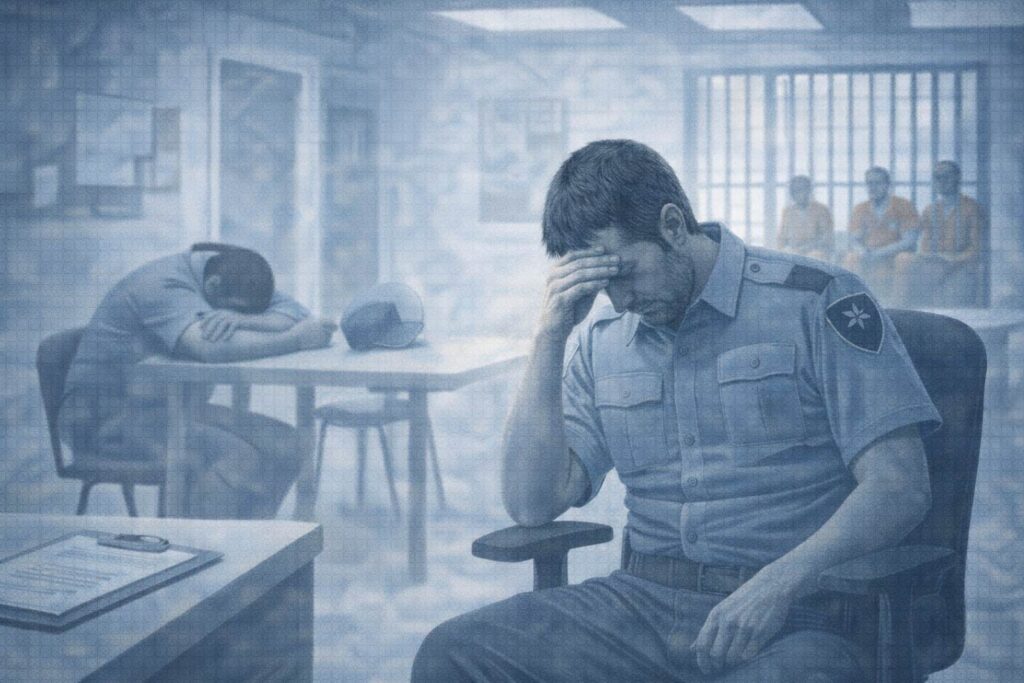
Let’s talk honestly. For those working in prison services, absenteeism isn’t just about not clocking in. Sometimes, you’re there, on shift, wearing the uniform… but inside, something’s switched off. You’re running on fumes. That kind of invisible absence, known as presenteeism, is just as real, and just as damaging, as not being there at all.
And the truth is, both types of absence tell us something important: people are struggling.
It’s Not Just About Missed Days
Since the pandemic, we’ve all become a bit more aware of mental health. But for those in prisons, where the stakes are high and the pressure never really lets up, it’s not just awareness. It’s survival.
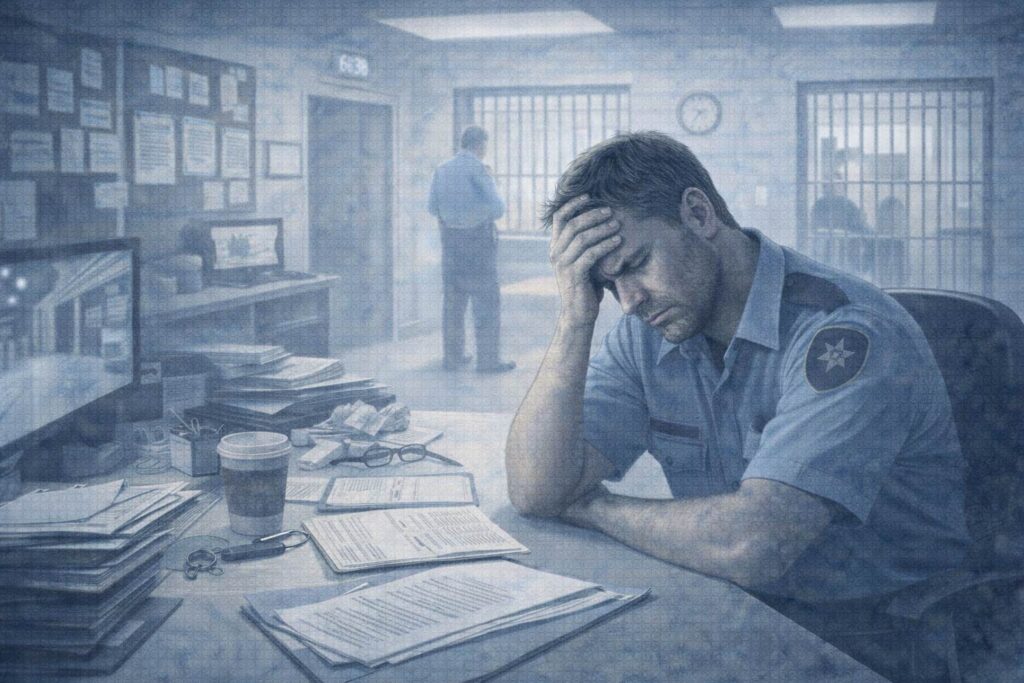
Absenteeism isn’t usually about laziness or lack of discipline. It’s a signal. It tells us that someone’s tired, or hurting, or simply burned out. Maybe they’ve been pushing through too many hard days without support. Maybe they’ve stopped believing that anything will change.
And no, it’s not always one single cause. It’s often a mix: the workload, the leadership style, problems at home, or just the daily emotional toll of the job.
Not All Absences Look the Same
Let’s break it down a bit. Sometimes, people have every right to be off. They’re recovering from illness, dealing with trauma, or handling a crisis. Other times, they don’t give a reason, and we might get frustrated. But what if they didn’t feel safe enough to say what’s really going on? And then there’s the hardest one to spot. Those who show up every day but are miles away inside. They do what they have to, but there’s no spark left. No energy. No connection.
You’ve probably seen it. Maybe you’ve felt it yourself.
What’s Behind It?
There’s no mystery here, just stories we don’t always take time to hear. People dealing with pain, anxiety, or just exhaustion they can’t shake. Working in environments where the pressure never stops and support is hard to find. Feeling invisible, like no one notices how much they’re carrying. Struggling to balance the job with family, health, or just… life. Going through something traumatic at work and being expected to just keep going. And the hardest part? Most of the time, people won’t speak up until they’re already breaking.