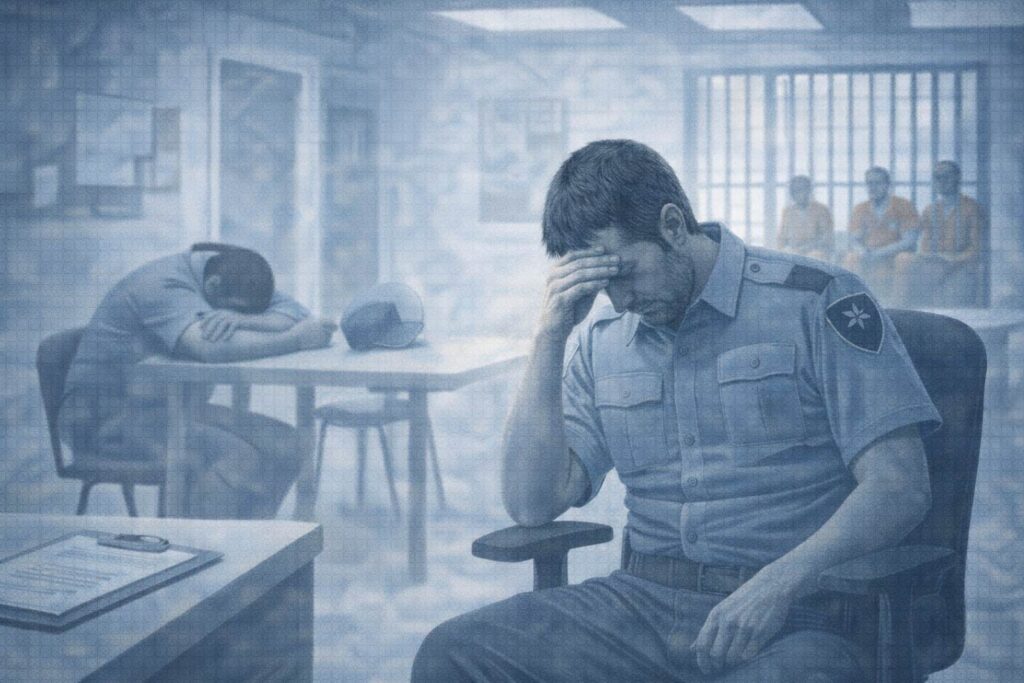
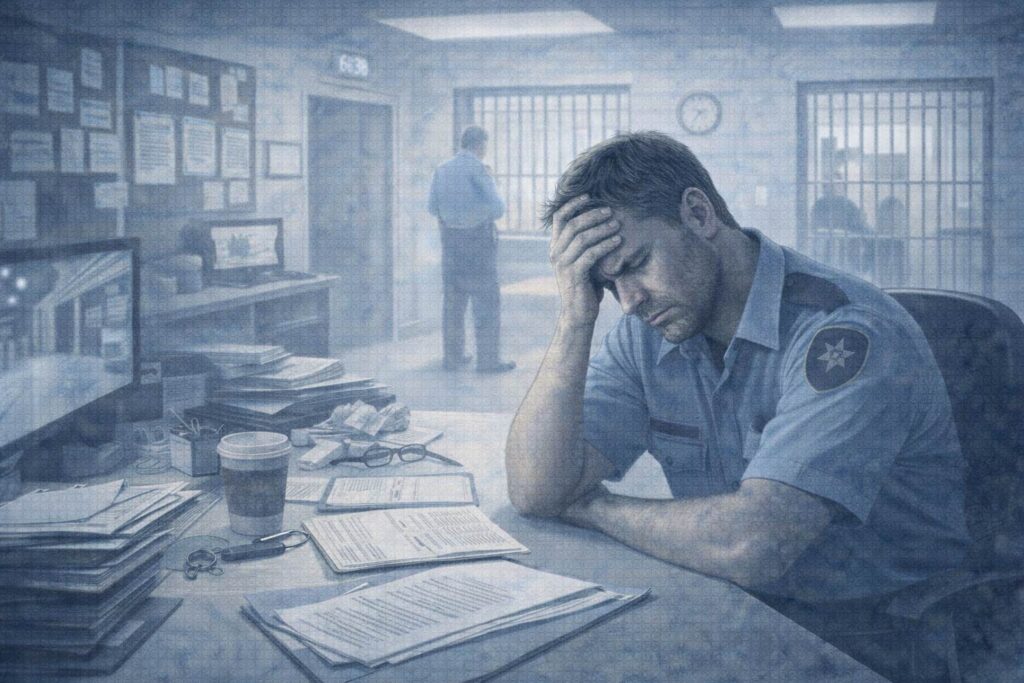
High staff turnover isn’t just a statistic, it’s a daily headache for many European prison systems. Working in a correctional facility? It’s tough. Emotionally draining, often risky, and rarely recognised by people outside the system. And the truth is, the pressure has been building for years. Now it’s boiling over. When the wellbeing of staff keeps getting pushed aside, they eventually hit their limit, and leave. And when they do, not many are lining up to replace them.
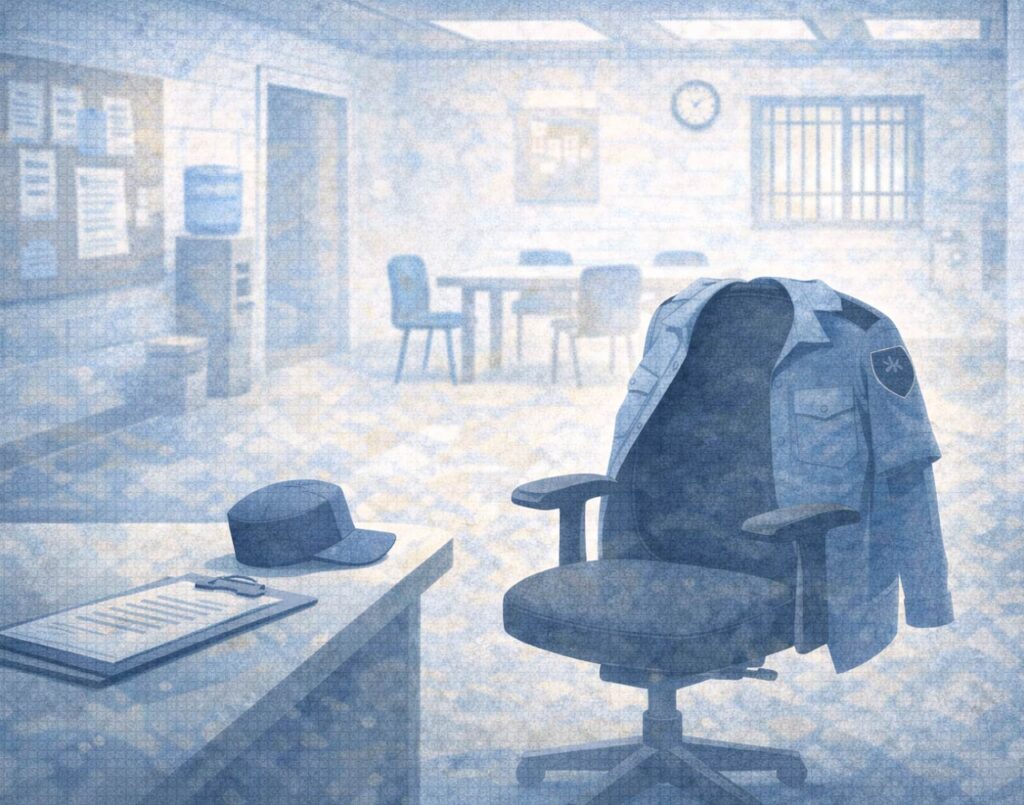
When someone walks out of the prison service early, it’s not just about losing a worker. It’s about losing trust, stability, and someone who knew how things actually work inside those walls. Bringing in new staff takes time, effort, and money, none of which are in unlimited supply. And while that process drags on, the remaining staff have to stretch themselves even thinner. It wears them down. Morale drops, tempers shorten, and the overall environment becomes harder to manage, not just for staff, but for inmates too.
Ask around and you’ll hear the same things. People quit when:
They’re under constant pressure and feel like no one’s really noticing,
They feel overlooked, like their voice doesn’t matter,
There’s no clear future ahead, just more of the same every day,
The work culture shuts people down instead of lifting them up,
After something traumatic happens, support is minimal, or non-existent.
One officer put it bluntly: “They say we’re essential, but it rarely feels that way.”
So no, it’s not just about workload. It’s about people not feeling like people anymore.
This isn’t just a wellbeing issue. It’s a survival one. If we want staff to stay, we need to stop treating support like a “nice-to-have” and start seeing it as essential infrastructure.
Here are a few things that actually make a difference:
Leaders who show up and really listen, not just nod in meetings,
Peer networks that give people a space to vent, to breathe, to be real,
Clear, honest career paths, not vague promises,
Access to mental health care that doesn’t come with guilt or red tape,
Systems where feedback turns into action, not just another report on a shelf.
None of this is revolutionary. But it does take commitment, and the will to prioritise people over paperwork.
People don’t walk away from jobs they love, they leave when they stop feeling seen. When they stop being heard. When they’re expected to carry emotional weight with no help and no end in sight.
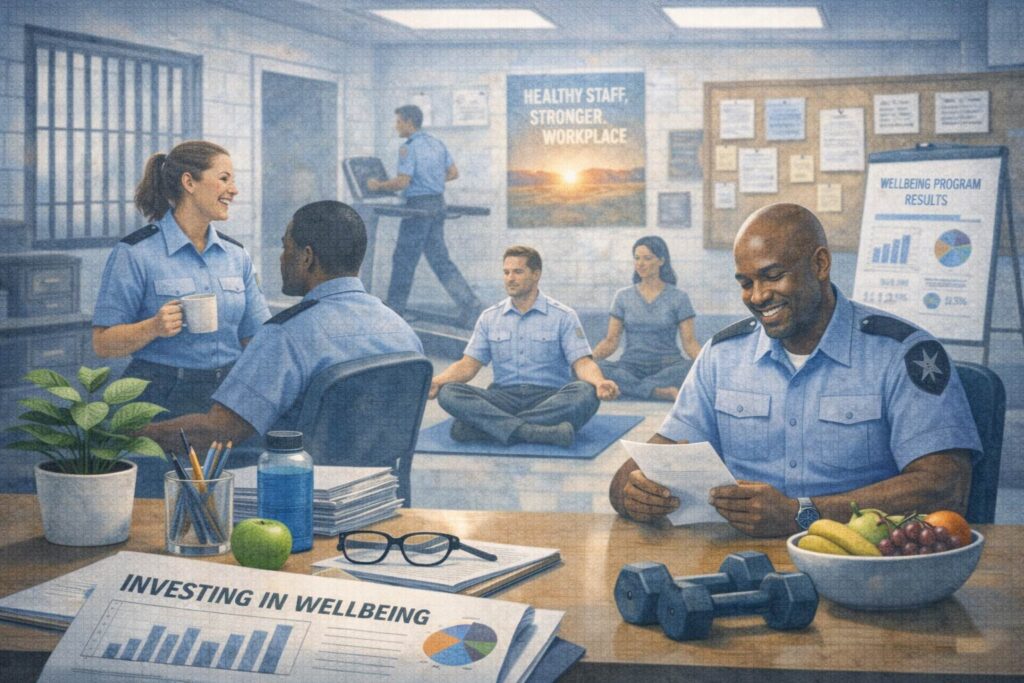
If we want safer, more humane prisons, we have to start with the people who work in them. Because when they feel supported, they stay. And when they stay, the whole system is stronger, steadier, kinder, and a lot more effective.
"Strong prison systems begin with strong people, and strong people need to feel seen, heard, and supported. When we invest in them, we build something safer, smarter, and more human."